
Installing a new septic system in Jackson County, Michigan requires a permit from the Jackson County Health Department, a licensed contractor for excavation, and a site evaluation to determine soil suitability. The process includes soil testing, permit approval, utility marking, excavation, installation, inspection, and final backfilling. Here is what homeowners should know before starting septic system installation in Jackson County, Michigan.
Jackson County Septic Permit Requirements
Septic permit requirements in Jackson County, MI are handled through the Jackson County Health Department Environmental Health Division. A permit is required before a new septic system is installed or an existing system is replaced. This step helps confirm that the system is safe, legal, and matched to the property.
Before approval, homeowners should expect a few key requirements:
- A completed septic permit application
- A soil evaluation or perc test
- A site plan showing the home, wells, property lines, and septic area
- Permit fees submitted with the application
- A licensed installer for the septic system work
- Final inspection before the system is covered
The Michigan septic permit process can take time because the soil evaluation, application review, and design approval need to happen before digging starts. Once the permit is approved, the actual excavation and installation usually move much faster.
What Happens During the Site Evaluation?
The site evaluation helps determine where the septic system can go and what type of system the property needs. In South Central Michigan, soil conditions can change quickly from one property to the next. That is why test pits, drainage review, and setback measurements matter so much.
Evaluators usually look at soil texture, clay content, water table depth, slope, and available space. They also check setback distances from wells, property lines, buildings, and nearby water. If the soil drains poorly or the water table sits high, the system may need a different design.
Common Types of Septic Systems Used in Michigan
Not every property can use the same septic system. The right system depends on soil drainage, property grade, available space, and local approval. These are the common options homeowners may hear about during the planning stage.
Conventional Gravity Septic Systems
A conventional gravity system uses natural slope to move wastewater from the home to the tank and then into the drain field. This option works best when the soil drains well and the property has enough grade. It is often the most straightforward system when site conditions are favorable.
Pressure Distribution Septic Systems
A pressure distribution system uses a pump to move wastewater evenly across the drain field. This can help when the site needs more controlled distribution than gravity can provide. It is often used when soil, slope, or layout makes even flow more difficult.
Mound Septic Systems
A mound system may be required when the property has a high water table, shallow usable soil, or poor drainage. Instead of placing the drain field fully below grade, the system is built up with approved material. This gives wastewater more room to filter before it reaches the natural soil below.
The Septic System Excavation Process From Start to Finish
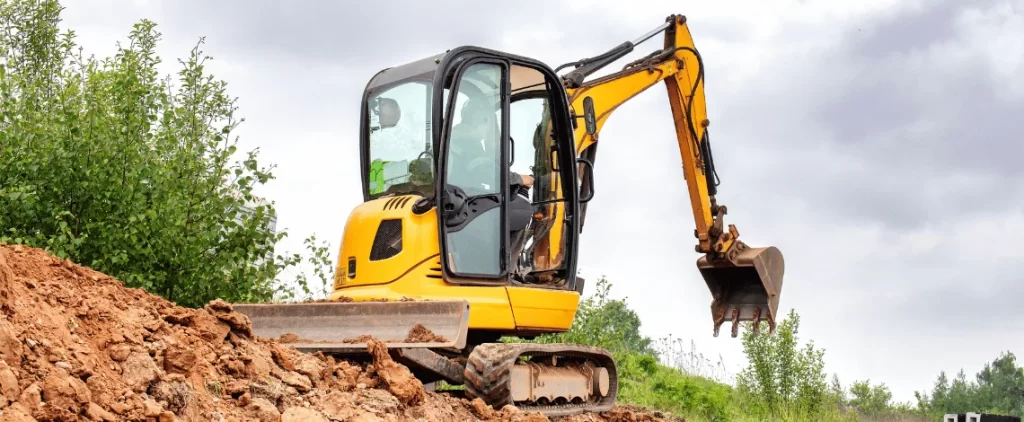
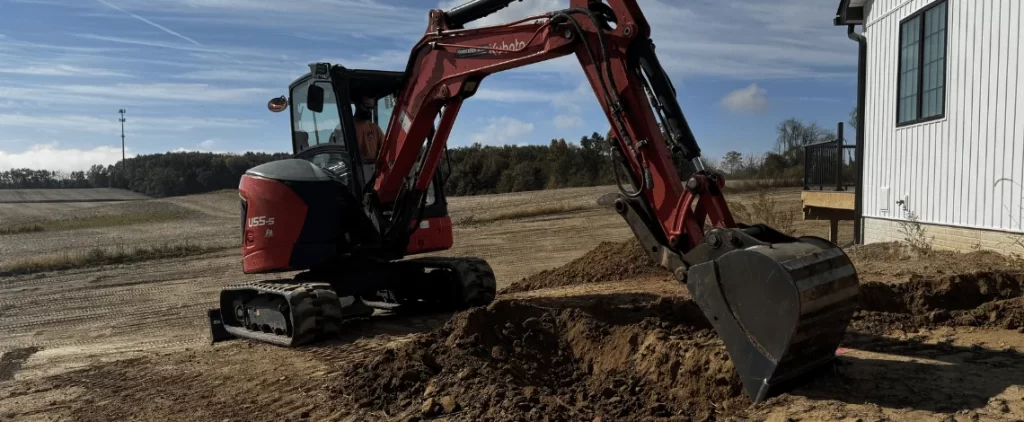
Septic system excavation in Jackson County, MI needs careful layout, clean digging, and the right grade from the house to the system. This is not just about moving dirt. Each part of the system must sit at the correct depth so wastewater can move and filter the way it should. A typical process includes:
- Site layout and utility marking: The contractor confirms the approved layout and contacts Miss Dig before excavation begins.
- Tank excavation: The crew digs the hole for the septic tank and prepares a stable base so the tank can sit level.
- Tank placement: The tank is set carefully and checked for proper elevation, alignment, and connection points.
- Distribution box installation: The distribution box helps move wastewater from the tank to the drain field lines.
- Drain field excavation: Trenches are dug for the drain field, with the correct depth, spacing, and grade based on the approved design.
- Pipe and field installation: Pipes, stone, chambers, or other approved materials are installed according to the permit.
- Final inspection: A county sanitarian inspects the system before it is covered.
- Backfill and grading: After approval, the system is covered and the area is shaped to help surface water move away.
How Much Does Septic System Excavation Cost in Michigan?
Septic system excavation cost in Michigan depends on the soil, system type, tank size, drain field layout, access, and permit requirements. A standard gravity system usually costs less than a mound or pressure distribution system. The final price is easier to confirm after the site evaluation and approved septic design. Hardpan, wet soil, steep grades, or a failed old system can increase the work needed.
What Can Go Wrong During Septic Excavation?
Septic work can get expensive when the site is not planned correctly. Poor soil, unexpected hardpan, and a high water table can change how the system must be built. A rushed layout can also lead to drain field trouble, poor flow, or failed inspections. Common problems include:
- Hitting hardpan or dense clay during digging
- Finding water where the drain field needs to go
- Placing the tank or pipes at the wrong grade
- Digging before utilities are marked
- Covering the system before inspection
- Undersizing or poorly placing the drain field
- Needing to redo drain field excavation in Michigan because the layout failed
A Local Source for Septic System Installation
Maple Creek Dirtwork is a local source for septic tank installation in South Central Michigan. We handle the excavation work needed for septic systems, including tank excavation, drain field trenching, depth control, and final grading. Our related services also include footings, foundations, basement excavations, utility trenches, driveways, and pond excavation.
That matters because septic excavation has very little room for error. The tank, piping, and drain field all need the right placement and grade to work correctly. When the digging is handled with care from the start, the rest of the installation has a much stronger foundation.
Plan Your Septic System Excavation With the Right Local Team
Septic system excavation in Jackson County, MI starts with permits, soil testing, and a clear plan before the first dig begins. From tank placement to drain field excavation, every step needs the right depth, grade, and inspection timing. If you are asking who installs septic systems in Jackson County, MI, choose a team that understands local ground conditions and the full excavation process. Contact us today to schedule septic system installation services and get your project started the right way.