Digging a successful stock pond in South Central Michigan takes more than making a hole in the ground. Clay content, water table depth, inlet and outlet design, and frost conditions all affect whether the pond holds water or turns muddy by August. If you are wondering how to dig a stock pond in Michigan, the best plan starts with the land.
Maple Creek Dirtwork has experience working with South Central Michigan soil, drainage, grading, and pond excavation. We know a good pond depends on smart site selection, proper depth, stable banks, and the right overflow plan.
What Makes a Stock Pond Work?
A stock pond works when the soil, slope, water source, and depth all support water retention. It also needs a safe overflow path so heavy rain and spring thaw do not damage the banks. Before digging, the plan should answer:
- Where will the water come from?
- Will the soil hold water?
- How deep should the pond be?
- Where will overflow go?
- Are permits or setbacks needed?
1. Choose the Right Site
The best pond sites often sit in natural drainage areas where water already moves after rain or snowmelt. A good site has enough slope to feed the pond without sending fast runoff through the banks. A poor site can make pond digging in Jackson County, Michigan, more expensive. It may need extra grading, sealing, drainage work, or repair later.
Look for:
- Natural runoff
- Clay-heavy soil
- Safe distance from wells and septic systems
- Room for equipment
- Space for spoil placement
- A clear overflow route
2. Check the Soil and Water Table
South Central Michigan often has clay-heavy soil, which can help with stock pond excavation in Michigan. Clay can hold water better than sand or gravel when it is properly shaped and compacted.
A soil probe can show clay depth, sand pockets, groundwater, soft soil, and unstable layers. This helps determine whether the pond can hold water naturally or needs a different design. High-water-table areas can help feed a pond, but they still need careful shaping. Poor bank design can lead to soft edges, cloudy water, and erosion.
3. Build for the Right Depth
So, how deep should a stock pond be in Michigan? It depends on the site, water source, livestock use, and soil conditions. Michigan ponds often need greater depth because they experience frost, ice, summer evaporation, and seasonal water changes.
A shallow pond may look full in spring but struggle by late summer. Deeper water can help reduce weed growth, keep water cooler, and improve year-round use. Proper depth helps:
- Reduce summer water loss
- Keep water more stable
- Limit heavy weed growth
- Support livestock use
- Handle seasonal changes
4. Plan the Excavation Work
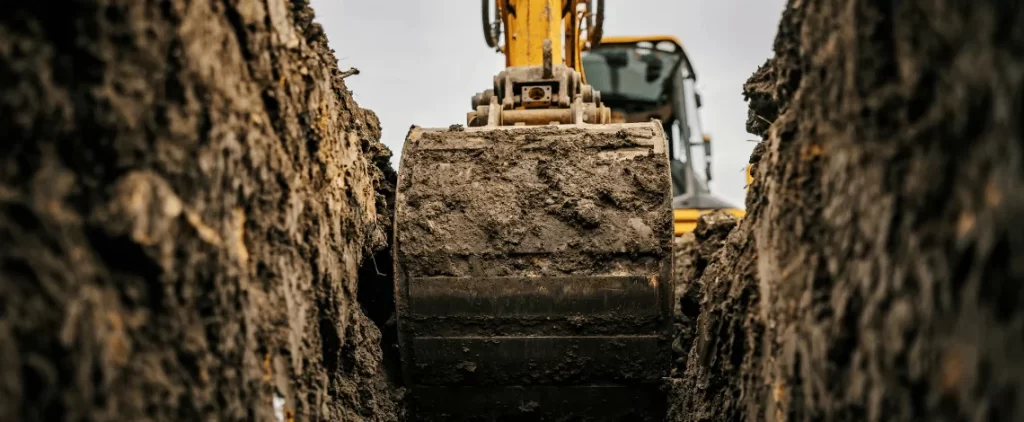
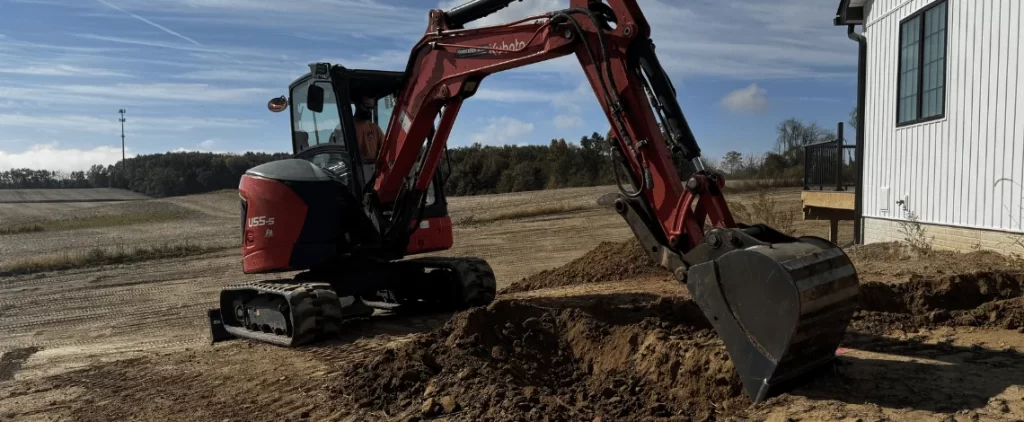
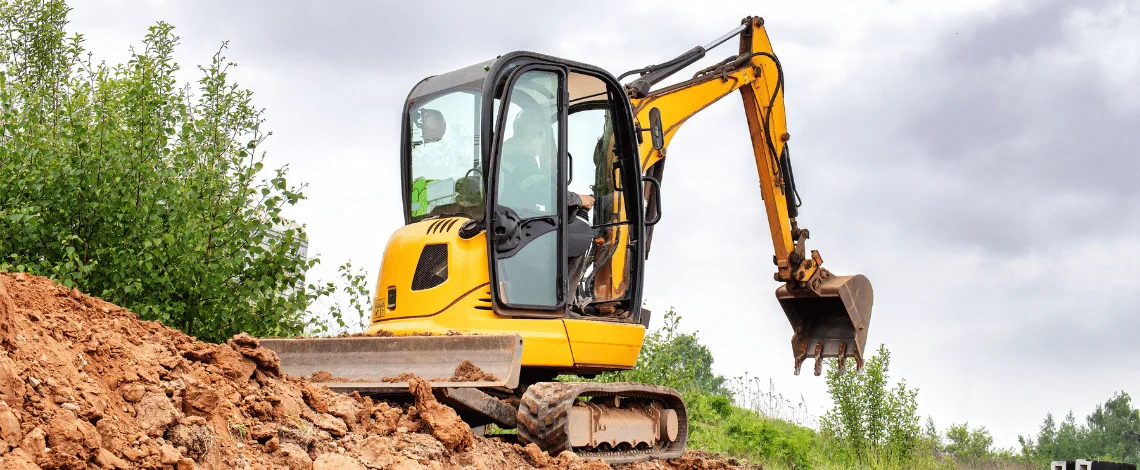
Good pond excavation starts with a layout. The contractor should mark the pond shape, depth zones, bank slopes, inlet, overflow, and spoil placement area before digging begins. The excavation process may include:
- Reviewing the site and drainage
- Marking the pond layout
- Clearing brush or surface material
- Digging to the planned depth
- Shaping the banks
- Placing spoil material
- Building the inlet and overflow
- Stabilizing the edges
Spoil placement matters more than many people think. Poorly placed soil can block drainage, create muddy piles, or push runoff back toward the pond.
5. Shape the Banks for Michigan Weather
Steep pond banks can fail fast in Michigan. Freeze-thaw cycles, ice pressure, livestock traffic, and heavy rain can break down weak edges. Stable banks need proper slope, compacted soil where needed, and vegetation for erosion control. Livestock ponds may also need controlled access areas so animals do not tear up every edge.
Bank stability depends on:
- Proper slope shaping
- Clean overflow routing
- Grass or vegetation
- Controlled livestock access
- Protection from runoff damage
6. Design the Inlet and Overflow
A pond needs a clean way to receive water and release extra water. Without a planned inlet, runoff can cut through the bank. Without an overflow, heavy rain can wash out the pond edge.
This is one of the most important parts of pond excavation in South Central Michigan. Spring thaw and summer storms can move a lot of water fast, so overflow needs to be planned before digging starts.
Common mistakes include:
- No planned overflow
- Runoff is entering too fast
- Water is cutting through the bank
- Spoil piles are blocking drainage
- Bare pond edges are left exposed
7. Review Michigan Permit Rules
Some Michigan ponds may require permits, especially if the work affects wetlands, streams, inland lakes, floodplains, or regulated water areas. EGLE may be involved when pond construction affects protected water resources. Local township, county, well, and septic setback rules can also apply. These rules should be reviewed before excavation begins. Before digging, check:
- Wetlands
- Streams or lakes
- Floodplain areas
- Well setbacks
- Septic and drain field setbacks
- Property line rules
- Local township requirements
What Most Contractors Won’t Tell You
A stock pond can fail even if it was dug deep enough. Bad soil layers, poor overflow design, weak banks, and wrong spoil placement can all create long-term problems. Some contractors price pond digging based only on machine time. That can leave out clearing, access, drainage, shaping, stabilization, and permit review. Before asking how much it costs to dig a pond in Michigan, ask whether the site can support the pond you want. The best pond projects are planned around the land, not just the hole.
Schedule Stock Pond Excavation in South Central Michigan
Maple Creek Dirtwork helps property owners plan and dig stock ponds built around real Michigan ground conditions. We handle pond excavation, site prep, land clearing, grading, drainage planning, and related dirt work for properties in Jackson County and nearby areas.If you want a pond that holds water, drains properly, and fits the surrounding land, start with the right excavation plan. Contact us today to schedule stock pond excavation in Michigan.