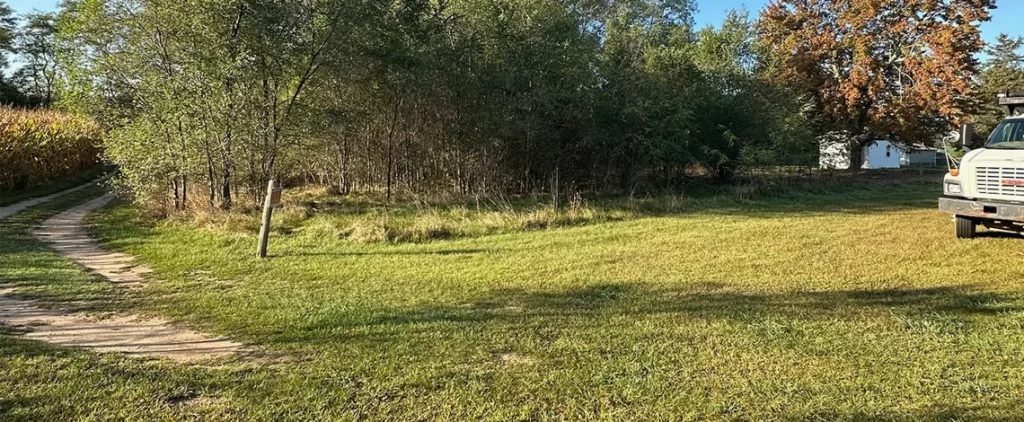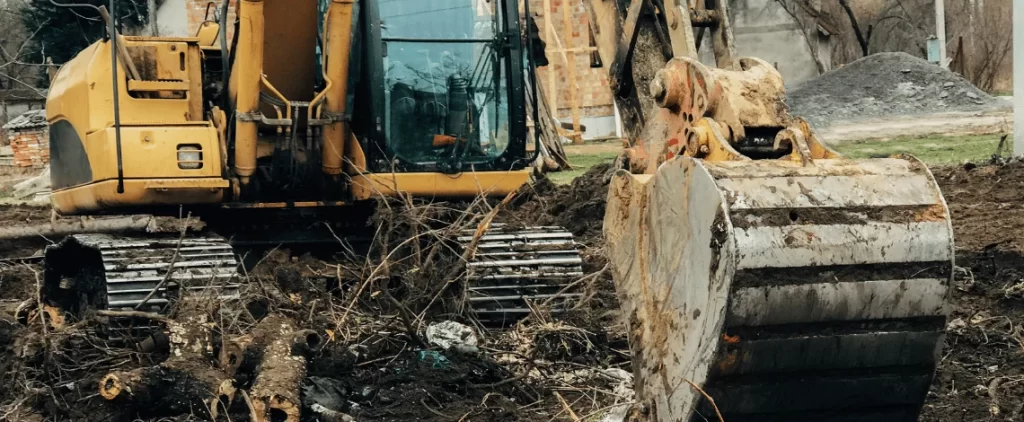
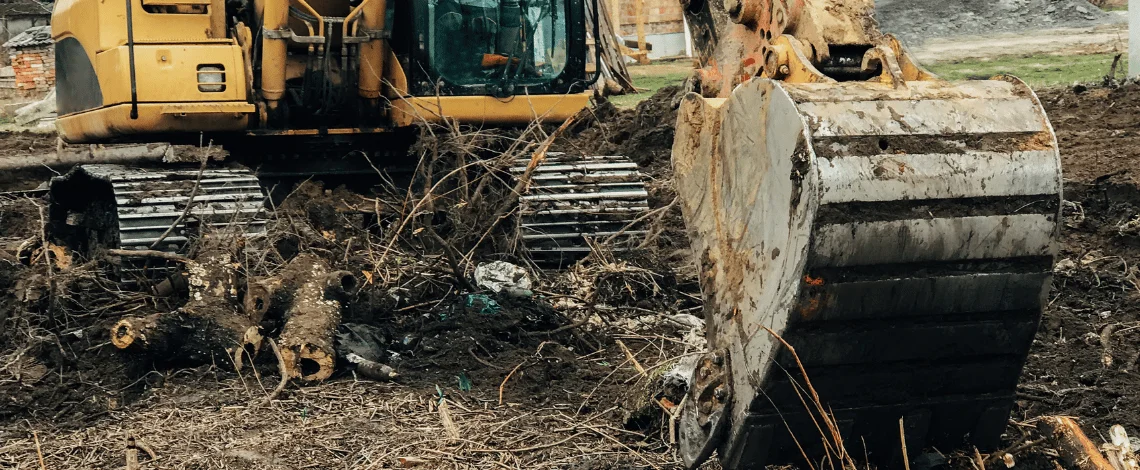
Professional land clearing in Michigan involves more than cutting trees and hauling brush. The process changes based on the goal, whether you are building, farming, raising livestock, or reclaiming overgrown land. If you want land clearing in Michigan, what to expect: the simple version.
A field may look easy to clear, but it can hide stumps, roots, soft soil, old debris, drainage issues, and invasive brush. That is why professional land clearing is very different from mowing a big field.
Land Clearing vs. Brush Clearing in Michigan
Land clearing vs brush clearing in Michigan comes down to how deep the work goes. Brush clearing removes surface growth like weeds, vines, small trees, and thick overgrowth. Full land clearing can include tree removal, stump removal, root grubbing, debris handling, and grading.
Brush clearing works for trails, pasture access, and basic cleanup. Full land clearing works better for building pads, driveways, septic areas, barns, and drainage projects.
Main Types of Land Clearing
Brush and Overgrowth Mulching
Brush mulching uses a forestry mulcher to grind small trees and thick growth at the surface. It works well for trails, hunting lanes, pasture recovery, and neglected lots. It does not remove deep roots.
Tree Removal With Stump Grinding
Tree removal with stump grinding involves removing the tree and grinding the visible stump below the surface. The larger root system usually stays in the ground. This works for yards, open space, and light-use areas.
Full Stump and Root Grubbing
Full stump and root grubbing removes the stump and larger root mass from the soil. This is often needed for construction, driveways, foundations, and drain fields. For professional land clearing in Jackson County, MI, this step helps create a more stable base.
Which Method Fits Your Project?
- Forestry mulching works for access, trails, pasture, and surface cleanup.
- Stump grinding works for yards and light-use spaces.
- Full stump grubbing works for buildings, driveways, septic systems, and barns.
- Final grading works when the land needs slope, drainage, or a cleaner finish.
The Land Clearing Process Explained in Michigan
1. Site Walk
The contractor checks slope, drainage, tree density, brush thickness, soil conditions, and access. This helps decide what equipment is needed. It also helps avoid tearing up soft or wet ground.
2. Marking What Stays
Some trees may stay for shade, privacy, or property value. The crew identifies what should be removed and what should be protected. This keeps the clearing work focused.
3. Clearing in Order
Larger trees are often removed before thick brush. This gives the crew more room to work safely. Some sites require that access lanes be opened before the main clearing begins.
4. Handling Debris
Brush may be mulched on site, while logs may be stacked, hauled, or processed. Burning may depend on Michigan rules, county restrictions, and local permits. Debris planning should happen before the job starts.
5. Removing Stumps and Roots
Stump grubbing vs stump grinding in Michigan matters because each method does a different job. Grinding handles the visible stump. Grubbing removes more of the root system for stronger site prep.
6. Final Grading
Final grading smooths the cleared area and helps water move the right way. It can fix ruts, low spots, and uneven areas. This is important in Michigan clay because poor grading can lead to standing water.
What Equipment Is Used for Land Clearing?
The answer to what equipment is used for land clearing depends on the lot. A brush job may use a skid steer and a forestry mulcher. A larger clearing project may require an excavator, a dozer, a grapple bucket, a dump truck, and grading equipment.
Common equipment includes:
- Forestry mulcher
- Excavator
- Skid steer
- Dozer
- Grapple bucket
- Dump truck
- Grading equipment
Michigan-Specific Land Clearing Issues
Invasive Brush
South Central Michigan properties often have autumn olive, buckthorn, and multiflora rose. These plants grow thick and can come back if the site is not managed well. Clearing may need mulching, removal, follow-up mowing, and seeding.
Wet Clay Soil
Spring clearing can be difficult because Michigan clay holds water after snowmelt and rain. Heavy equipment can create ruts when the ground is too soft. A drier clearing window usually creates a cleaner finish.
Burning Rules
Brush burning is not always allowed. Rules can change by location, season, and weather conditions. Property owners should check local burn rules before planning to burn debris.
How Long Does Land Clearing Take in Michigan?
How long does land clearing take in Michigan depends on acreage, tree density, brush thickness, soil conditions, and debris removal. A small brush project may take a day or two. A wooded lot with stumps, roots, and grading can take much longer. Construction-ready clearing usually takes more time than pasture or access clearing. That is because stumps, roots, soft soil, and grade issues need to be handled correctly.
What Affects the Cost?
The cost of land clearing per acre in Michigan depends on the land’s condition and the final goal. Light brush costs less to clear than dense trees with stumps, vines, and haul-off needs. Full grubbing, final grading, wet ground, and limited access can raise the price.
Common cost factors include:
- Lot size
- Tree size and density
- Brush thickness
- Stump grinding or grubbing
- Debris hauling or mulching
- Equipment access
- Final grading needs
- Soil and drainage conditions
What to Do After Clearing
After clearing, the land may need erosion control, seeding, topsoil grading, or drainage work. Exposed soil can wash, rut, or retain water if left unfinished. This is especially important on slopes and clay soil. Seeding should match Michigan weather so new growth can take hold. Some sites may also need straw, erosion blankets, or temporary runoff control.
Schedule Professional Land Clearing in Michigan
Professional land clearing in Michigan is planned site preparation, not just mowing a big field. The right method depends on trees, brush, stumps, roots, soil, drainage, access, and what the land will be used for next. Maple Creek Dirtwork helps property owners with brush mulching, lot clearing, stump removal, root grubbing, and final grading in South Central Michigan. Contact us today to schedule professional land clearing and site preparation services.