
Land clearing timelines vary based on property size, vegetation, terrain, and project goals. Some residential properties can be cleared in a single day, while larger or heavily wooded sites may take several weeks. Understanding what influences the schedule helps you plan ahead and avoid unexpected delays.
Below is a clear breakdown of typical timelines, what affects them, and how the overall process usually unfolds.
Typical Land Clearing Timelines
While every site is unique, most projects fall within these general ranges. These estimates help set realistic expectations before scheduling begins. Actual timelines may shift based on site conditions and project scope.
- Small Residential Lot (Up to ½ acre): 1–3 days
- Medium Residential Lot (½–2 acres): 3–7 days
- Large Wooded Property (2–5 acres): 1–2 weeks
- Large Rural or Commercial Property (5+ acres): 2–4 weeks
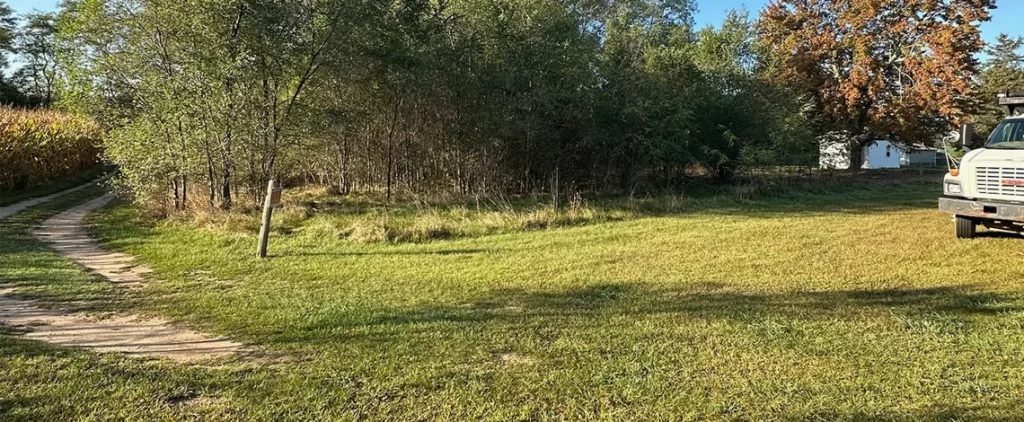
Light brush and scattered trees can be cleared quickly. Dense woods with mature trees and deep root systems take longer.
What Determines How Long Clearing Takes
Several factors work together to shape your project timeline. Some elements affect speed more than others. Understanding these variables makes it easier to plan your build or improvement schedule.
- Vegetation Type and Density
Thick brush, hardwood trees, and heavy undergrowth slow progress compared to open or lightly wooded areas. - Stump Handling
Grinding stumps is faster than fully removing entire root systems. Full removal adds time. - Terrain and Accessibility
Slopes, rocky soil, wet ground, or limited equipment access can extend the schedule. - Clearing Method
Forestry mulching is often faster for large areas. Selective clearing, where certain trees are left standing, requires greater precision and more time. - Weather Conditions
Rain and saturated soil can pause work for safety and property protection. - Permits and Planning
Some projects require local approvals or environmental reviews before physical work begins.
The Land Clearing Process From Start to Finish
Most residential land clearing projects follow a simple sequence. Each step builds on the previous one. Knowing this process helps homeowners understand what happens and when.
- Site Assessment and Planning: The property is evaluated, goals are confirmed, and clearing boundaries are established.
- Clearing Operations: Trees, brush, and unwanted vegetation are removed according to the plan.
- Stump Grinding or Removal: Stumps are ground down or extracted based on the project scope.
- Debris Removal and Disposal: Organic material is hauled away or processed as requested.
- Rough Grading and Site Prep: The ground is leveled and shaped for construction, landscaping, or excavation.
Combining these steps into a coordinated workflow helps keep projects moving efficiently.
How Professional Contractors Help Reduce Delays
Experienced land clearing contractors use specialized equipment and proven methods that speed up production and reduce rework. Proper planning, skilled operators, and the right machinery make a noticeable difference in how quickly a site can be completed.
Maple Creek Dirtwork provides professional land clearing services for residential properties throughout South Central Michigan. The team handles everything from brush removal and selective clearing to stump grinding, debris hauling, and rough grading, helping homeowners transform overgrown land into build-ready sites without unnecessary delays.
Getting a Clear Timeline for Your Property
Land clearing timelines vary based on property size, vegetation, and site conditions, but getting an accurate schedule starts with a professional site evaluation. Reach out today to discuss your project, review your goals, and receive a realistic timeline that helps you plan with confidence and move forward without unnecessary delays.