Drainage problems occur when water cannot move away from your yard, driveway, foundation, or low-lying areas quickly enough. Standing water, mud, erosion, and basement moisture are surface symptoms, but the real issue is often poor slope, heavy soil, blocked water flow, or missing drainage.
In Jackson County, drainage can be tricky because South Central Michigan has clay soil, flat land, spring snowmelt, and freeze-thaw movement. Yard grading for drainage in Michigan can help with surface runoff, but deeper water issues may need French drains, drainage tile, culverts, or foundation drains.
Why Drainage Problems Are Common in Jackson County
Many drainage problems in Jackson County, Michigan, stem from how local soil and weather interact. Clay soil holds water longer, flat areas slow runoff, and the spring thaw can overload already wet ground.
Freeze-thaw cycles can also shift soil around driveways, foundations, and low areas. That means a property may look fine in summer but show drainage trouble after winter, heavy rain, or snowmelt.
The 8 Warning Signs to Watch For
Some drainage problems may look minor at first, but they often indicate a larger water movement issue. These signs can help you decide whether grading is enough or if a deeper drainage system may be needed.
1. Standing Water 24+ Hours After Rain
Standing water in a Michigan yard is a warning sign when puddles stay for a full day or longer. A little water after a storm is normal, but water that sits in the same area usually means the ground cannot drain properly.
This often happens because clay soil holds moisture, and flat land gives water nowhere to go. Grading may help if the spot is shallow, but a French drain or drainage tile may be needed if the soil stays saturated.
Urgency Level: Moderate
2. Water Flowing Toward the Foundation
Water pooling near a foundation in Jackson, MI, should be taken seriously. If runoff moves toward the house during rain, the slope near the foundation may be working against the property. Regrading can help redirect surface water away from the home. If water is collecting below the surface, foundation drains or drainage tile may be the better fix.
Urgency Level: Urgent
3. Erosion Channels Forming
Erosion channels look like small trenches, washed-out paths, or exposed soil lines after storms. They show where water is moving too fast across the ground. In South Central Michigan, spring snowmelt and heavy rain can cut through loose or poorly shaped soil. Grading can redirect runoff, but culverts, swales, or drainage systems may be needed when water continues to follow the same path.
Urgency Level: Moderate
4. Basement Moisture After Heavy Rain
Basement moisture can show up as damp walls, musty smells, wet floor edges, or water stains. This is one of the clearest signs that drainage problems may be affecting the foundation area. Clay soil can hold water against the basement walls after heavy rain. Regrading may help if surface water is moving toward the home, but foundation drains may be needed when the soil around the house stays wet.
Urgency Level: Urgent
5. Soft or Spongy Ground Year-Round
Soft ground that never seems to dry out often points to underground saturation. You may notice footprints, tire marks, or equipment sinking even when the weather has been dry. This usually means water is trapped below the surface. Grading alone may not fix it, so a French drain or drainage tile system may be needed to move water out of the soil.
Urgency Level: Moderate
6. Dead Grass Patches in Wet Areas
Dead grass patches in wet areas can mean the roots are staying too wet. Grass may turn yellow, thin out, or die in the same spots every season. This can happen when clay soil keeps water around the roots and limits oxygen. Regrading may help a simple low spot, but drainage work may be needed if the soil remains wet underneath.
Urgency Level: Cosmetic to Moderate
7. Muddy Ruts That Won’t Dry Out
Muddy ruts are common in driveways, access paths, and low-use areas where water sits. If the ruts stay soft long after rain, the base under the surface may be too wet. Grading can restore the area’s shape, but it may not address the underlying issue. Rock base work, culverts, or drainage tile may be needed to keep the area stable.
Urgency Level: Moderate
8. Frost Heave Along a Foundation
Frost heave can lift soil, concrete edges, walkways, or surfaces near a foundation. It often appears after winter when wet soil freezes, expands, and pushes upward. Poor drainage makes frost heave worse because wet soil holds more moisture through freezing temperatures. Grading can help move surface water away, but foundation drainage may be needed when the soil stays wet below grade.
Urgency Level: Urgent
When Grading Is Enough
Grading is usually the right starting point when the issue is surface runoff. If water is moving the wrong direction, sitting in a shallow low spot, or washing across the yard, reshaping the land can help guide it away from problem areas. Grading works best when there is a safe place for the water to go. If the property is flat or the soil holds too much water, grading alone may only move the problem rather than fix it.
When a Drainage System Is Needed
A drainage system is often needed when the problem is below the surface. Soft ground, basement moisture, recurring wet spots, and year-round saturation usually indicate that water is trapped in the soil.
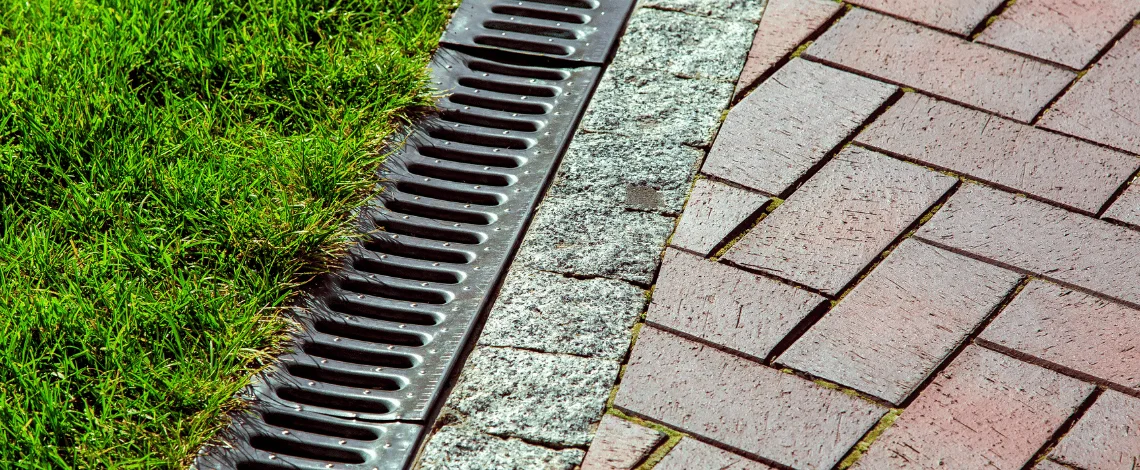
French drains, drainage tile, culverts, and foundation drains all solve different problems. The right choice depends on where the water starts, where it needs to go, and how much water the property has to handle.
Grading vs. French Drain vs. Drainage Tile
| Solution | Best For | What It Does |
| Regrading | Surface runoff and shallow low spots | Reshapes the land so water moves away |
| French Drain | Soggy zones and wet side yards | Collects water through gravel and a pipe |
| Drainage Tile | Larger subsurface water issues | Moves underground water away from saturated soil |
| Culvert | Driveways and ditch crossings | Let the water pass under the access areas |
| Foundation Drain | Water near the home | Moves water away from foundation areas |
For many properties, the best answer is a mix of grading and drainage. Regrading controls surface water, while drains handle water trapped below the surface.
How to Check Your Property After Rain
Walk the property 24 hours after a heavy rain and mark the areas that stay wet. Look for standing water, soft soil, muddy ruts, dead grass, erosion channels, and water moving toward the house. Check the basement for moisture, odors, stains, or damp edges after storms. If the same problems keep returning, the issue may be more than bad grading.
Get the Right Drainage Fix for Your Property
Knowing how to fix drainage problems in Michigan starts with understanding where the water is coming from. Some yards need better grading, while others need deeper drainage work to move water out of the soil. Maple Creek Dirtwork helps property owners in Jackson County and South Central Michigan with grading, excavation, French drains, culverts, foundation drains, drainage tile, and other dirt work. If you need property drainage solutions in South Central Michigan, we can inspect the land and recommend the right fix. Contact us today!